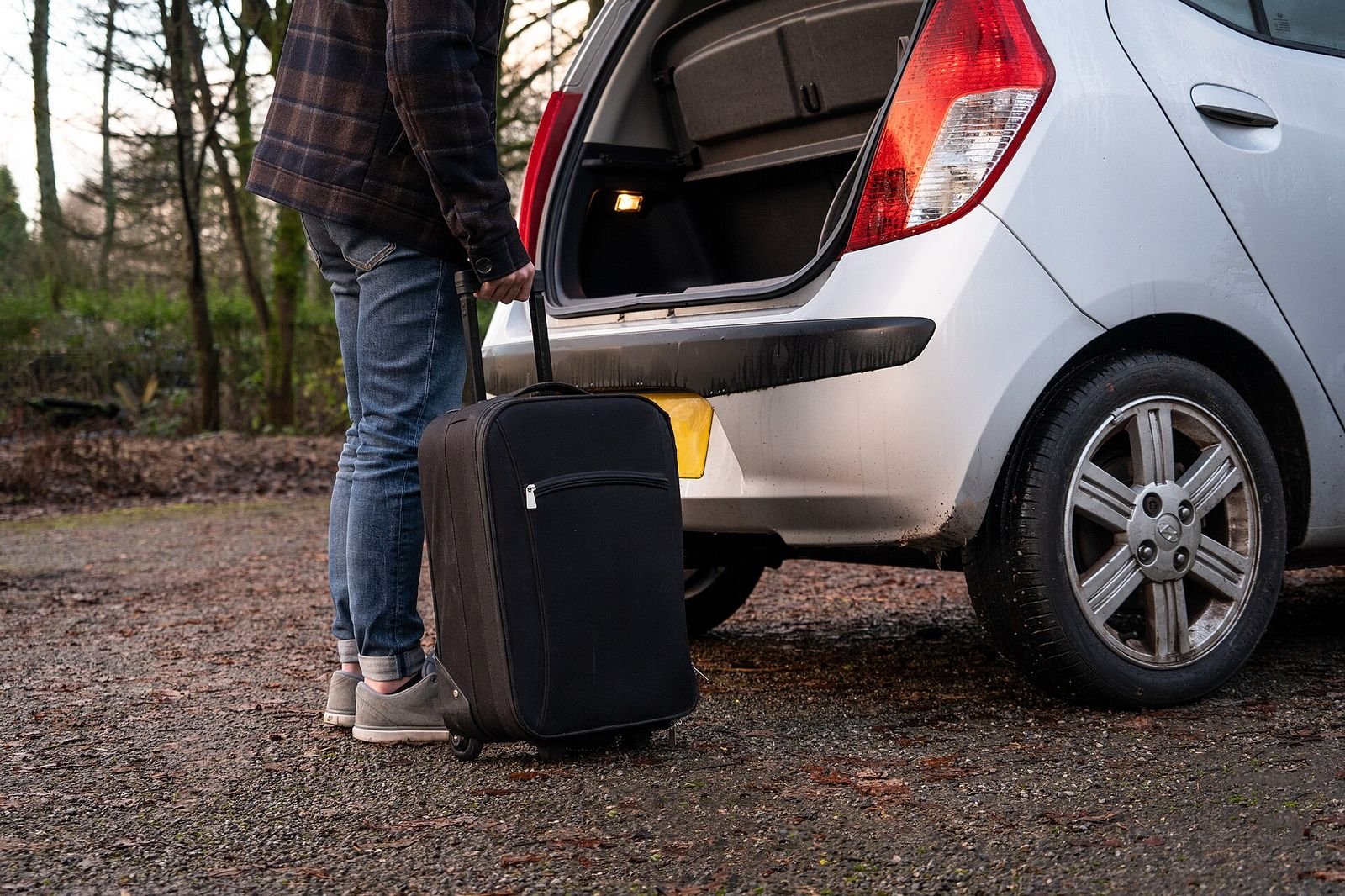
Should you squeeze everything into a carry-on or check a bag and pack freely? The answer depends on your trip length, destination, fare, activities and personal comfort. Both approaches have clear advantages.
This guide compares carry-on and checked luggage so you can make the right choice for each trip. Baggage rules and fees change and vary by airline and fare, so confirm with your airline before you fly.
Advantages of Carry-On Only
No Waiting at Baggage Claim
You can leave the airport as soon as you land.
Lower Risk of Lost Luggage
Your bag stays with you, so it cannot be misrouted on connecting flights.
Fees
Many fares include a carry-on at no extra cost, though some basic fares and budget airlines charge for a full-size carry-on.
Flexibility
If your flight is canceled or you change plans, your bag is already with you.
Easier Movement
One bag is easier to manage on public transit, stairs and city streets.
Disadvantages of Carry-On Only
- Limited space
- Liquids restrictions in many countries
- Weight limits on some airlines
- Overhead bin space can run out, leading to gate-checked bags
- Restrictions on certain items, such as some tools and sporting goods
Advantages of Checking a Bag
More Space
Pack bulkier clothing, extra shoes and gear.
Full-Size Liquids
Pack full-size toiletries, though checked-bag rules still apply for certain items.
Less to Carry Through Airports
You only manage a personal item and possibly a carry-on.
Sporting and Special Equipment
Golf clubs, skis and other gear often must be checked.
Disadvantages of Checking a Bag
- Fees on many fares
- Waiting at baggage claim
- Risk of delays or loss, especially on tight connections
- Weight limits and overweight fees
- Less flexibility if plans change
Which Trips Suit Carry-On Only?
- Short trips
- City trips with public transit
- Multi-city trips with frequent moves
- Warm-weather destinations with lighter clothing
- Trips with tight connections
See our carry-on packing list.
Which Trips Suit Checking a Bag?
- Long trips without laundry access
- Cold-weather destinations with bulky clothing
- Family trips with kids’ gear. See luggage for families.
- Trips with special equipment
- Formal events with dress clothes and shoes
- Bringing items home, such as gifts
Hybrid Strategies
- Pack light going, check bag returning: If you plan to shop, bring a foldable duffel and check it on the way home.
- Check one shared bag: Couples or families share one checked bag and each carry a personal item.
- Ship items ahead for long stays or events.
Liquids and Restricted Items
In the US, carry-on liquids follow the TSA 3-1-1 rule. See travel toiletries and liquids. Check TSA and airline rules for items like tools, sporting goods and batteries. Many airlines require spare lithium batteries and power banks to be carried in the cabin, not in checked bags.
Protecting Checked Bags
- Put contact information inside and outside your bag
- Take photos of your bag and contents
- Use a luggage tracker. See our luggage trackers guide.
- Keep valuables and medications in your carry-on
- Pack a change of clothes in your carry-on
- Use TSA-recognized locks if you lock bags in the US
Gate Checking
When overhead bins fill, airlines may ask passengers to gate check carry-ons. Keep essentials like medications, documents and electronics in your personal item so you can hand over your carry-on easily.
What to Do if a Checked Bag Is Delayed
- Report it to the airline before leaving the airport
- Keep your claim reference number
- Ask about reimbursement policies for essential purchases
- Keep receipts
Policies vary by airline and route.
Choosing Your Luggage
If you mostly travel carry-on, invest in a quality carry-on or travel backpack. See how to choose a travel backpack. If you check bags often, choose durable checked luggage. See hardside vs. softside luggage.
Quick Comparison
| Factor | Carry-On Only | Checked Bag |
|---|---|---|
| Space | Limited | More |
| Fees | Often included | Often extra |
| Speed after landing | Fast | Wait at claim |
| Risk of loss | Lower | Higher |
| Liquids | Restricted | Full size allowed |
| Flexibility | High | Lower |
Questions to Ask Before Each Trip
- What does my fare include? Check personal item, carry-on and checked bag allowances.
- How long is the trip, and can I do laundry?
- What is the weather? Bulky clothing may push you toward a checked bag.
- How many connections do I have? More connections can increase the chance of a delayed checked bag.
- How will I get around at my destination? Stairs, trains and walking favor lighter bags.
- Will I bring things home? Leave space or bring a foldable bag.
Packing a Carry-On Even When You Check a Bag
Even if you check luggage, pack a carry-on or personal item with:
- Medications and important documents
- Electronics and chargers
- A change of clothes and basic toiletries
- Valuables and fragile items
This protects you if your checked bag is delayed.
Weighing and Measuring Before You Leave
A small luggage scale helps you avoid surprise overweight fees, especially on return trips when you have bought souvenirs. Measure your carry-on when packed, including wheels and handles, since soft bags can bulge beyond their listed size. Many airports have sizers near check-in counters and gates, and some airlines check bags before boarding.
Thinking About Total Trip Cost
When comparing fares, include bag fees for every traveler and every flight segment. A slightly higher fare that includes a carry-on or checked bag may cost less overall than a basic fare plus fees.
Frequently Asked Questions
Is carry-on only always cheaper?
Often, but some basic fares charge for carry-ons. Compare total costs.
Can I bring a power bank in checked luggage?
Most airlines require power banks in the cabin.
What should I keep in my carry-on if I check a bag?
Medications, documents, valuables, electronics and a change of clothes.
How do I avoid gate checking?
Board earlier if possible or use a smaller bag that fits under the seat.
Should I check a bag on tight connections?
Carry-on only reduces the risk of missed bag transfers.
The Bottom Line
Carry-on travel offers speed, flexibility and lower risk of loss, while checked bags offer space and freedom to pack more. Choose based on trip length, destination, activities and fare rules. Keep essentials in your carry-on whenever you check a bag.
Editorial note: Trail Packed is independent and reader-supported. This guide is based on research into manufacturer documentation, published specifications and widely accepted best practices; we have not been paid to mention any product. If we add affiliate links in the future, they will be clearly disclosed per our Affiliate Disclosure.
Photo: Baggage Claim 4 DCA National Airport 2025-10-22 13-00-17 1 by G. Edward Johnson, CC BY 4.0